Compare Local Contractors for Safe Toddler Proofing Solutions
Compare local contractors for toddler proofing to define scope, verify experience, and set clear expectations, ensuring a safe and effective childproofing project.
Toddler proofing contractors typically offer a range of services designed to make homes safer for young children. This work often includes installing safety gates, securing furniture and appliances, padding sharp edges, and adding safety locks to cabinets and drawers. Some contractors may also handle custom modifications, such as installing window guards or creating child-friendly spaces. Clearly understanding what specific safety measures are needed helps property owners ensure that the work covers all essential areas and provides a comprehensive approach to child safety within the home.
Defining the scope of toddler proofing work is an important step in the process. It helps prevent misunderstandings and ensures that both property owners and contractors are aligned on expectations. A detailed scope should specify the areas to be addressed, the types of safety features to be installed, and any custom adjustments required. Having this information in writing can serve as a reference throughout the project, helping to avoid scope creep and ensuring that the work completed meets safety standards and personal priorities.
When comparing local contractors for toddler proofing, property owners should consider several factors to find the best fit for their needs. It is useful to review the experience and expertise of each service provider, particularly their familiarity with child safety modifications. Checking references or seeking recommendations can provide insights into the quality of work and professionalism. Additionally, reviewing written proposals or scope documents can help compare how each contractor plans to approach the project and whether their services align with specific safety requirements. This approach supports making informed decisions when selecting a contractor to help create a safer environment for children.
Compare local contractors by outlining priorities, verifying experience, and clearly defining scope and expectations in writing.
- Compare Contractor Credentials - review experience and qualifications to ensure contractors have relevant toddler proofing expertise.
- Define Project Scope Clearly - specify the areas and safety features needed to set accurate expectations.
- Verify Experience and References - check previous work and references to assess contractor reliability and quality.
- Get Written Agreements - ensure all project details, responsibilities, and expectations are documented in writing.
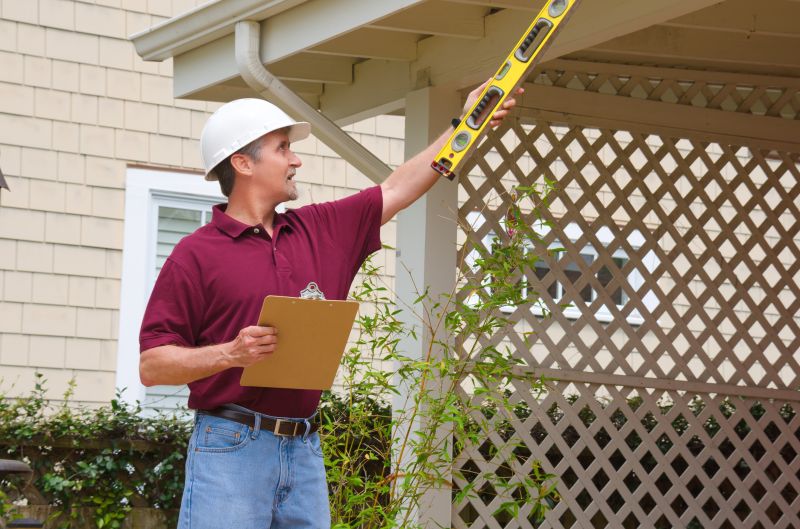
Clearly describe your toddler proofing project to compare local contractors, verify their experience, and set clear expectations in writing.
- Verify experience with toddler-proofing projects to ensure familiarity with safety standards and best practices. - Look for service providers who can clearly outline the scope of work and specific safety measures included.
- Compare quotes and service details to understand what is covered and to ensure consistency across different local contractors. - Ensure that all expectations, responsibilities, and project limits are documented in writing.
- Assess the contractor’s approach to child safety to confirm they prioritize secure and non-toxic materials. - Ask about their methods for identifying potential hazards and implementing safety solutions.
- Check references or reviews to gauge the quality of previous toddler-proofing work performed by the service provider. - Confirm that past clients highlight attention to detail and effective safety enhancements.
- Discuss maintenance or follow-up services to keep toddler-proofing measures effective over time. - Clarify what ongoing support or inspections are included or recommended after initial work completion.
Use this to compare local contractors, clarify scope, verify experience, and set clear expectations.

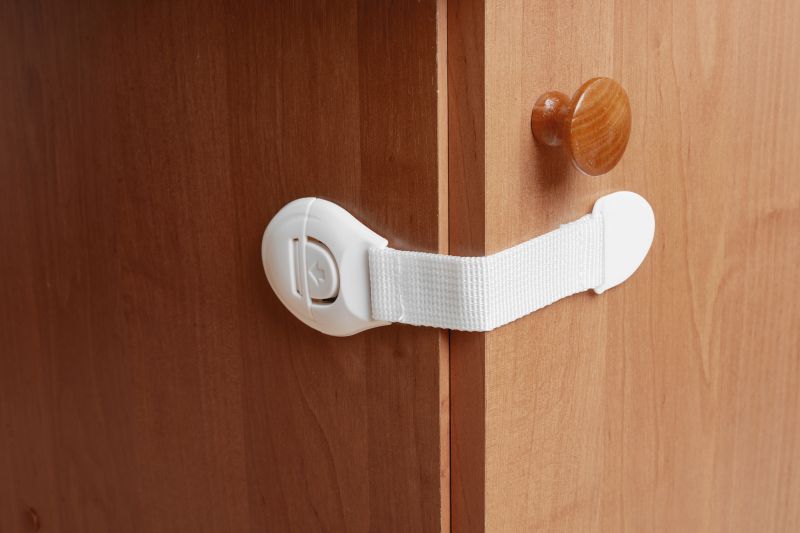

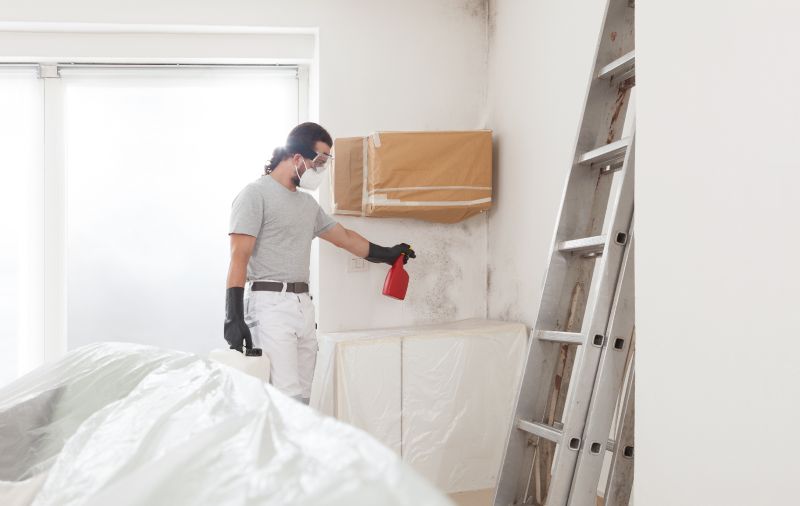
Compare local contractors' scope definitions, experience verification, and written expectations to ensure consistency across providers.
- Define scope of toddler proofing measures - specify the areas, fixtures, and features that will be addressed during the project.
- Verify experience with toddler proofing projects - ensure service providers have relevant experience in child safety modifications.
- Establish safety standards and materials to be used - determine the quality and type of safety devices and materials to be installed.
- Set clear expectations and deliverables in writing - document the scope, responsibilities, and outcomes to avoid misunderstandings.
- Compare local contractors’ credentials and reviews - evaluate their reputation and expertise to select qualified service providers.
When comparing contractors for toddler proofing projects, it’s important to consider their experience with similar installations and safety modifications. Service providers who have completed comparable work can often demonstrate their familiarity with common hazards and effective solutions. Asking about past projects or requesting references related to toddler proofing can help gauge a contractor’s practical knowledge and ability to handle the specific challenges involved in making a home safer for young children.
A clear, written scope of work is essential when evaluating contractor options. A detailed description of the tasks to be performed, materials to be used, and specific safety features included helps ensure that both parties have aligned expectations. This documentation can serve as a foundation for comparison, making it easier to identify which service providers offer comprehensive and well-defined plans that meet the unique needs of a home environment.
Verification basics involve confirming that contractors understand safety standards and have a track record of completing similar projects successfully. While formal licensing or certification may not be required or available, asking for examples of completed toddler proofing jobs or verifying references can provide insight into a contractor’s reliability and expertise. It’s also useful to review any available documentation or project summaries to assess whether the contractor’s approach aligns with safety best practices.
When evaluating options, focus on how well each contractor communicates their proposed scope and how thoroughly they can explain their approach to toddler proofing. Comparing written proposals for clarity and detail helps identify service providers who prioritize transparency and professionalism. Ensuring that the scope is comprehensive and clearly outlined allows homeowners to make informed decisions based on the contractor’s experience, communication, and ability to meet safety needs without relying on price as the primary factor.
Ask contractors to provide written scope details to ensure clear expectations and consistent project understanding.
- Experience and Expertise - What experience do local contractors have with toddler proofing projects?
- Scope of Work - How do contractors define and clarify the specific tasks included in the toddler proofing service?
- Comparison of Services - What methods do local service providers use to differentiate their toddler proofing offerings?
- Qualifications and References - Can contractors provide references or examples of similar toddler proofing projects they have completed?
- Written Estimates and Agreements - How do local pros outline the scope and expectations in written agreements before starting work?
How can I compare contractors for toddler proofing services? To compare local contractors, review their experience, scope of work, and written estimates. Look for clear descriptions of services and ask for references or reviews to assess their reliability.
What should I consider when defining the scope of toddler proofing work? Clearly outline the areas to be protected, types of safety measures needed, and any specific concerns. Providing detailed information helps contractors deliver accurate proposals and expectations.
How can I verify a contractor’s experience with toddler proofing projects? Request examples of past work or references related to toddler proofing. Confirm that contractors have handled similar projects to ensure they understand safety requirements.
Why is it important to get written estimates and scope agreements? Written estimates and scope agreements help set clear expectations, prevent misunderstandings, and provide a record of what work is to be performed and included.
What questions should I ask contractors during the comparison process? Ask about their experience with toddler proofing, the methods they use, and how they handle unexpected issues. Clarify what is included in their scope and how they approach safety concerns.
How can I ensure the chosen contractor is a reliable service provider? Verify their experience, request references, review their communication clarity, and ensure the scope of work is documented in writing before proceeding.
Contractors for toddler proofing offer a range of services to help create a safer environment for little ones. Visitors learned how to clearly define the scope of work, verify experience, and set expectations in writing to ensure the project aligns with their needs. Comparing local contractors can help identify options that best suit specific requirements and preferences.
Using the quote form allows for easy comparison of different service providers in the area. This step can assist in finding qualified local contractors who can handle toddler proofing projects effectively. Taking the time to evaluate and connect with multiple options can support making informed decisions for a safer home environment.